Four Moves, One Bench: A Lunch-Break Strength Circuit for Local Parks
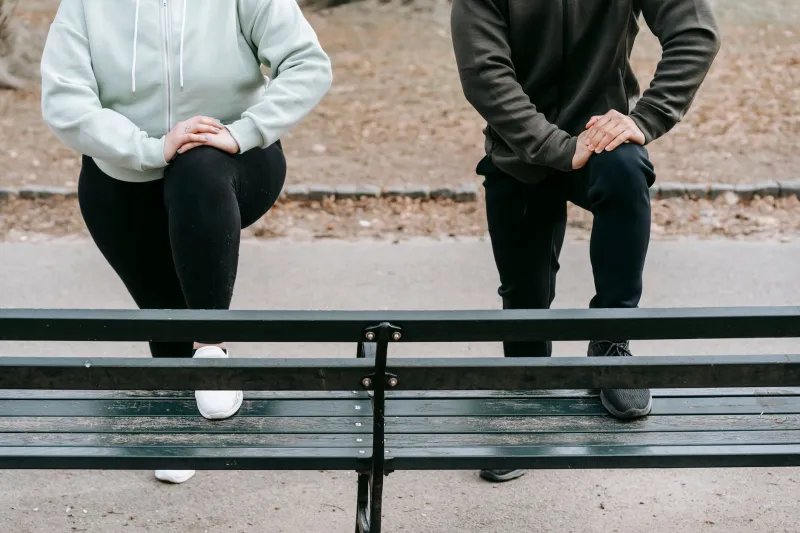
Most of us walk past the same park benches every week without seeing them as anything more than somewhere to sit, tie a shoelace or wait for a friend. But a sturdy bench in a local park is also a height-adjustable, freely available piece of outdoor kit. It will not replace a well-equipped gym or a coached session, and it should not be treated like a piece of specialist equipment. Used sensibly, though, it can turn a patch of grass and a spare 20 minutes into a proper full-body strength and mobility stop.
This is not about turning every bench into a makeshift weight rack or pretending that outdoor furniture is the same as a barbell. It is about using what is already there, close to home, when the diary is tight and the gym is a bus ride away.
First, give the bench a once-over
Before you put a hand or a foot on it, check the basics. A good bench should feel solid when you press down on it. If it rocks, creaks or has a loose slat, leave it alone. Look for splintered edges, exposed screws, broken supports or anything that looks recently repaired with hope rather than hardware. Give the surface a wipe if it is wet, and carry a small towel or a folded waterproof jacket to sit on. Bird mess, tree sap and general park grime are part of British outdoor life, but they are not part of the workout.
In cold weather, check for frost and ice. A slick bench is not a step-up platform, and a frozen seat is not a press-up surface. If the bench is soaked through, consider a sheltered one under a bandstand or a dry picnic table instead. Common sense beats a perfect circuit every time.
The four-move circuit
Start with three minutes of easy movement: walk a lap of the park, circle the arms, roll the shoulders, swing the hips and do a few bodyweight squats. You want to feel warmer, not out of breath.
Then work through the four moves below. Do each for 40 seconds, rest for 20 seconds, and repeat the sequence two or three times. That gives you a compact session of around 20 minutes including warm-up and a short finish. If you prefer counting reps, aim for 8 to 12 of each move and adjust from there.
1. Sit-to-stands
Sit on the bench with feet flat and hip-width apart. Stand up without pushing off with your hands, then lower yourself back down with control. Keep your chest tall and your knees tracking over your toes. If that feels easy, slow the lowering phase down, pause just before you sit, or hover just above the seat before standing again.
2. Incline press-ups
Place both hands on the seat edge, shoulder-width apart, and walk your feet back until your body forms a straight line. Lower your chest towards the bench and press back up. The higher the surface, the easier the move. A bench seat is a good starting point for many people; a lower slat or a step will make it harder. Keep your ribs down and avoid letting your hips sag.
3. Step-ups
Stand facing the bench. Place one whole foot on the seat, press through that foot and step up, then lower yourself down with control. Alternate legs. Use a lower step or a sturdy log if the bench feels too high. Do not rush, and do not push off the back foot. If you feel any sharp knee pain, stop and choose a lower surface.
4. Bench hip hinges
Stand facing the bench and rest your hands lightly on the seat for support. Push your hips back, keep a soft bend in your knees and let your chest tip forward while your back stays long. Stand back up by squeezing your glutes. This is a hip movement, not a squat. If balance is tricky, keep both hands on the bench and work through a smaller range.
Progressions and pull-backs
Beginners should aim for two rounds and keep the effort comfortable. Use the bench for support, choose a higher surface for press-ups and step onto a lower edge if the full seat feels high. The goal is controlled movement, not a heroic display of park fitness.
If you are short on time, do two rounds and skip the rest between moves, keeping a steady pace. If you have more time, add a third round or slow the tempo. More experienced movers can add a pause at the bottom of the press-up or a three-second lower on the sit-to-stand. A loaded backpack can add resistance, but keep it light and close to your body, and skip it if your form changes.
Wet weather is not automatically a reason to cancel. A waterproof layer, gloves and a quick wipe-down can make a damp bench usable. But if the surface is icy, the wind is biting or the park is empty because the weather has turned genuinely grim, do a shorter indoor version instead. The best session is the one that still makes sense tomorrow.
Make it part of the week
Walk to the park, do the circuit, walk home. That is a complete lunch break with movement, daylight and a bit of fresh air. Be considerate of other park users: do not hog a bench that someone needs to sit on, keep bags out of the path and give way to older people, dog walkers and anyone who just wants a quiet five minutes.
Finish with a gentle calf stretch, a hip-flexor stretch and a chest opener against a tree or wall. Nothing dramatic. The point is to leave feeling like your body has done something useful, not like you have survived an obstacle course.
Park benches are not glamorous. They are familiar, slightly weathered and often covered in leaves. But they are also right there, at the end of your road, waiting to be used for something more than a rest.