Borrowed Chairs, Real Gains: Inside Britain’s Village Hall Strength Boom
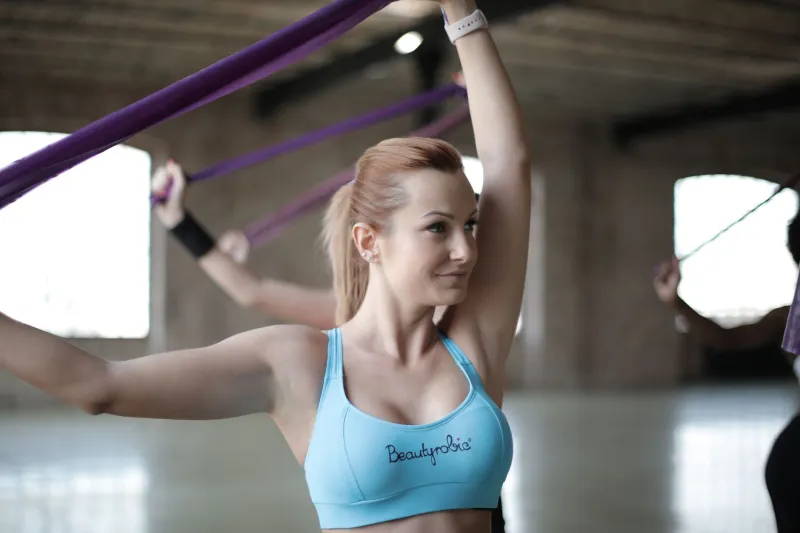
It’s 6.45pm on a wet Tuesday in November, and the car park beside the village hall holds eleven vehicles: a couple of hatchbacks, a pickup with a dog asleep on the back seat, and a Volvo that has plainly been reversing into the same spot since 2009. Inside, under a strip light that hums, fourteen people aged between 31 and 78 are looping resistance bands around their thighs while a radiator ticks. This is strength training in Britain in 2026, and it costs £6 on the door.
Why the parish hall is having a moment
The big gym on the retail park has arguably never been better value per month, and yet some of the most interesting movement work around is happening in rooms that smell faintly of floor polish and old hymn books. Three things explain it.
Cost. A drop-in at a hall class is usually somewhere between £5 and £9. A boutique studio class in a city can be five times that, and a gym contract is something you sign in January and quietly resent by March. If you’re still working out whether you even like strength work, the hall is a cheap experiment.
Proximity. Most of us will walk or drive five minutes to a hall we’ve passed a hundred times without noticing. The gym is a twenty-minute drive and a parking app.
The confidence problem. National activity surveys keep landing on the same barriers: cost, time, and the feeling of not being “the type”. A hall full of people in their forties, fifties and seventies, in ordinary leggings and ordinary trainers, quietly dismantles that last one.
What actually happens in the hour
Expect less lycra and more problem-solving. A typical session runs roughly like this:
- Ten minutes of prep. Marching, arm circles, ankle and hip work, a bit of chat. Nobody is doing burpees to warm up.
- Twenty-five to thirty minutes of strength. Chairs are the great unsung kit of the British hall: sit-to-stands, split squats with one hand on the chair back, single-leg work. Add resistance bands for rows and presses, wall press-ups, and loaded carries with whatever the instructor has decided counts as a weight this term.
- Ten minutes of mobility and a stretch. Often to something with a bit of Nile Rodgers in it.
The important bit isn’t the exercise selection, it’s the progression. A good hall instructor adds a rep, slows the tempo, changes the lever length or hands you a heavier band every couple of weeks. That is strength training, whether it happens under a mirror or under a cork noticeboard advertising a jumble sale.
The beginner advantage: no mirrors, no audience
Walk into a commercial weights room for the first time at 47 and you may spend ten minutes pretending to check your phone. Walk into a hall and you’ll be handed a chair and asked your name.
There are no mirrors, which sounds like a downside until you remember that most people spend their first month in a gym looking at themselves rather than listening to instructions. Nobody films anything. Classes are usually small — eight to twenty people — so the instructor notices when your knee drifts inwards or your shoulders creep up towards your ears, and can actually do something about it. And because the room is a room rather than a “performance environment”, there’s a general agreement that looking slightly daft is part of the deal.
Finding a session that isn’t a mythical beast
Village halls are terrible at marketing and excellent at existing. Try these routes:
- The parish council newsletter, whether it arrives by email or as a photocopied sheet through the door.
- The noticeboard by the post office, the church porch, or the hall’s own front window.
- The hall’s booking page — many list their regular hirers, even if the hirers themselves have no website.
- Local Facebook groups and Nextdoor, where someone asks this exact question every September.
- The library, the GP surgery’s social prescribing link worker, and your council’s “move more” style programmes.
- Active Partnerships, the national network of county sports bodies, often hold directories of local sessions.
- The U3A and the WI for daytime options, and local dance schools, which frequently hire halls on weekday evenings.
One warning: a hall listing might be Pilates, Zumba Gold, tai chi, circuits or a dance fitness class. “Strength” means different things to different instructors, so check what you’re actually booking before you turn up in the wrong shoes.
First-timer’s checklist
- Message or ring ahead and say you’re new and a bit nervous. Instructors would much rather know.
- Arrive ten minutes early to sign in, pay and find a spot near the back.
- Bring water, a mat if you have one, and layers — halls are either Baltic or roasting, rarely in between.
- Wear supportive trainers. Hall floors are often wood or vinyl over concrete, which is unforgiving on knees and heels.
- Take cash as well as a card, because some sessions are still cash only.
- Tell the instructor about knees, backs, shoulders, pregnancies or recent operations before the warm-up.
- Give it three sessions before you decide. The first one is admin; the second is where you start to learn the moves.
- Don’t wait to “get fit first”. That’s like tidying up before the cleaner arrives.
Six questions worth asking before you book
- Is this class built for complete beginners, and can every exercise be scaled up or down?
- What should I bring, and what’s provided — mats, bands, chairs, weights?
- Is it drop-in or block booking, and what happens if I miss a week?
- Who’s teaching, and what qualifications, insurance and first aid cover do they hold?
- What’s the access like — parking, steps, toilets, hearing loop, somewhere to sit if I need a break?
- How many people usually come, what’s the age range, and is it mixed or women-only?
The bit that never makes the poster
Consistency beats clever programming, and halls are unusually good at consistency. Same room, same time, same faces, kettle on afterwards. In a village of 900 people, that repetition is a social anchor as much as a training plan, and it turns out that people who come for the company keep coming long after the novelty of a new gym has worn off.
So bring a friend, pay your £6, take the back row and pick up a chair. The gains are real, even if the setting is a room that also hosts the Christmas fair.

