The Movement Menu: Why Britain Doesn’t Need to Choose Between Gym, Dance and the Dancefloor

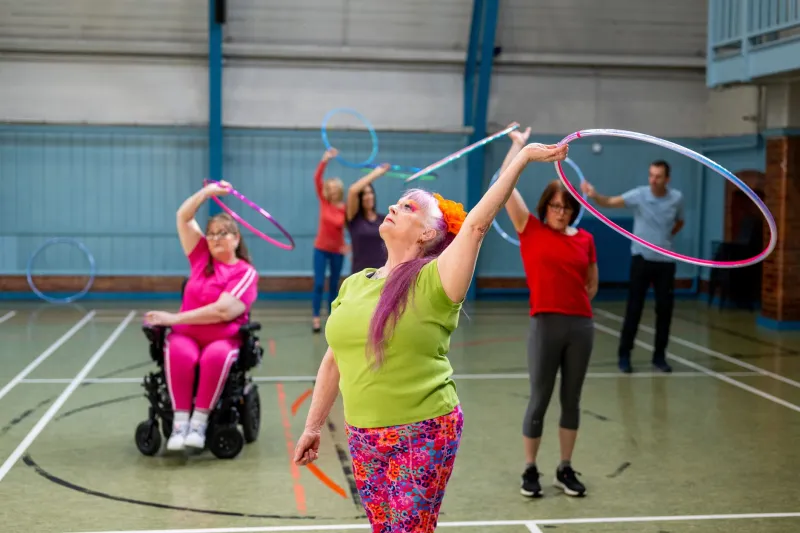
Photo by Photo by Phil Hearing on Unsplash on Unsplash
There is a curious habit in UK fitness of asking people to pick a side. Are you a gym person or a dancer? A runner or a walker? A weights-and-protein-shake type or a studio-class-and-smoothie type? The question sounds harmless, but it quietly suggests that movement is an identity rather than a set of useful things you can do with your body.
It is a trap. Most bodies benefit from a mixed menu: some strength, some heart-rate elevation, some balance and coordination, some everyday walking and a bit of something that feels like play. The tribes can be motivating, but they can also keep people out. You do not have to choose between the squat rack and the social dance night. In fact, you are probably better off with both.
The tribes are useful until they aren’t
Gym culture has plenty going for it. Progressive strength training is one of the most reliable ways to build muscle, bone density and confidence. Run clubs offer structure and company. Dance classes build coordination, rhythm and a kind of joy that a treadmill rarely matches. Walking groups are social, low-cost and easy to fit around real life.
The trouble starts when a tribe becomes a border. Someone decides they are not a dancer because they have never tried it, or not a gym person because they feel out of place among the dumbbells. Someone else avoids walking because it does not count as a proper workout. These stories are not harmless. They narrow the range of movement a person feels allowed to enjoy.
The body does not care about your membership card. It cares about whether it gets enough variety, challenge and recovery to keep doing the things you love.
What most bodies actually need
Strip away the branding and most adults benefit from the same broad ingredients. Two short strength sessions a week will do a lot for everyday resilience. Some regular movement that raises your heart rate supports heart and lung health. Balance and coordination work becomes more important as we age, not less. Walking is the quiet backbone of all of it. And recovery—sleep, rest days, easy days—is not laziness; it is part of the plan.
None of that requires a single allegiance. A week could include a twenty-five-minute strength session at home or at a local leisure centre, a dance class in a community hall, a couple of brisk walks and a longer weekend wander. That is not a compromise. It is a more complete movement diet than any one tribe usually offers.
Three ways to mix without overhauling your week
First, stack rather than swap. Keep the session you already like and add a small taste of something else. If you lift twice a week, add a ten-minute dance video once a week or a social dance night once a month. If you dance three times a week, add two short strength sessions that support your hips, knees and shoulders.
Second, use walking as connective tissue. Walk to the class, get off the bus a stop early, take the stairs, or turn a phone call into a pavement loop. Walking is not the consolation prize. It is the thing that makes the rest of your movement easier to recover from.
Third, try a taster rather than a total reinvention. Council leisure centres, community halls, parkrun events and local social dance nights are often cheaper and less intimidating than boutique studios. You do not need three memberships. You need a few low-pressure experiments and a willingness to be a beginner for an hour.
The cost and confidence problem
It would be dishonest to pretend that movement pluralism is only a mindset issue. Money matters. Time matters. Confidence matters. Some people are juggling shifts, caring responsibilities or long commutes. Some have had bad experiences in PE lessons or gym changing rooms. A mixed movement menu has to be realistic, not another thing to feel guilty about.
That is why the most useful version of pluralism is modest. It is a ten-minute strength routine in the living room, a weekly dance class, a lunchtime walk and a bit of balance work while the kettle boils. It is not a lifestyle overhaul. It is a set of small, repeatable options that fit around a real British week.
Stop asking people to pick a side
The gym, the dance studio and the dancefloor are not rival religions. They are different rooms in the same building. Strength training can make dancing feel easier. Dancing can make training feel less mechanical. Walking can make both more sustainable. The more ways you move, the less fragile your routine becomes.
The best movement plan is not the purest one. It is the one you can repeat, enjoy and return to when life gets messy. So keep the gym session if it works. Try the dance class if you are curious. Walk to the shop instead of driving. Mix the menu. Your body is not asking you to choose a tribe—it is asking you to keep moving.