One Bell, One Hallway: A Six-Week Strength Plan for Small UK Homes
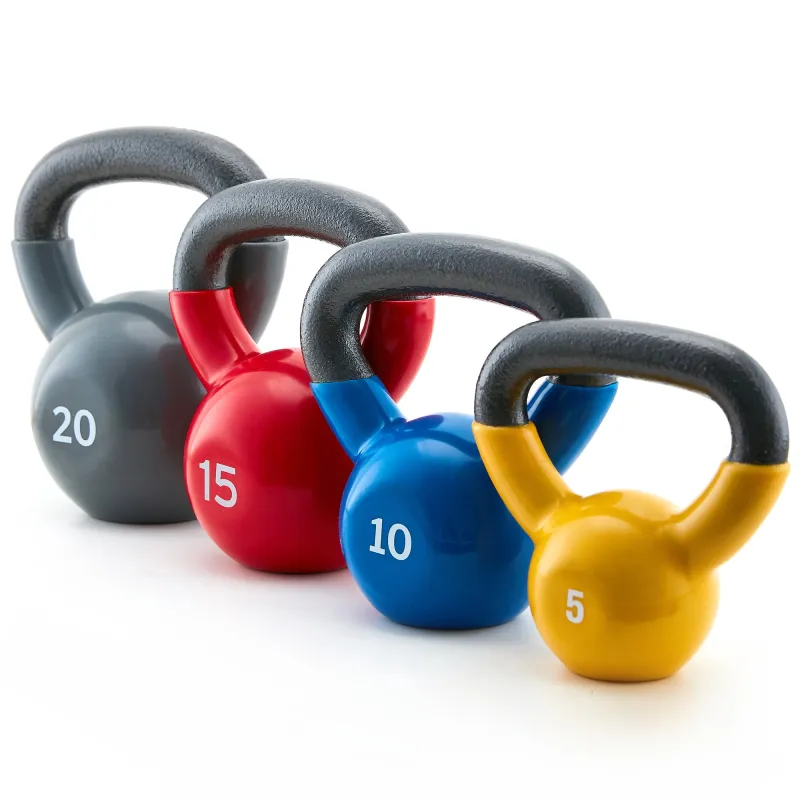
Photo: kettlebell workout small home hallway UK, via i5.walmartimages.com
Strength training has a space problem in Britain. Many of us live in flats, terraces and rented rooms where the idea of a home gym is a fantasy. A kettlebell in the hallway is not a compromise; it is a practical answer. One bell and a clear patch of floor can build real strength if you use them consistently and progress sensibly.
Why one kettlebell is enough
A kettlebell is compact, durable and versatile. It does not need a rack, a spotter or a dedicated room. It can live under a desk, beside a shoe rack or in the bottom of a wardrobe. For a beginner, one moderate bell is enough to train the legs, hips, back, chest, arms and grip.
The goal is not to recreate a commercial gym in your spare room. The goal is to make strength training fit the home you actually have. Three short sessions a week in a hallway will beat one heroic Sunday session in a gym you dread visiting.
Set up your patch safely
Clear a space roughly two metres by one and a half metres. It does not need to be luxurious, but it does need to be free of clutter, pets and children when you train. Use a non-slip mat or a rug that will not slide. Check the floor is level and that you have room to lie down for floor work.
If you plan to press overhead, check the ceiling. Many UK homes have low ceilings, so a floor press is often the smarter choice. Store the bell safely between sessions, not in a doorway or at the top of the stairs. Train in shoes or barefoot, depending on what feels stable. Warm up for five minutes with marching on the spot, hip hinges, bodyweight squats and arm circles.
The five foundational moves
Goblet squat. Hold the kettlebell close to your chest with both hands. Stand with feet about hip-width apart. Sit down between your hips, keep your chest tall and drive through your feet to stand. This trains the legs and teaches you to brace.
Kettlebell deadlift. Place the bell between your feet. Hinge at the hips, keep your back flat and grip the handle with both hands. Stand up by pushing the floor away. Lower the bell back down with control. This is a hip movement, not a squat.
Single-arm floor press. Lie on your back with knees bent. Hold the bell in one hand at chest level, press it upwards, then lower slowly until your elbow touches the floor. Switch sides. This builds pressing strength without needing a bench.
Bent-over row. Hinge forward with a flat back, hold the bell in one hand and row it towards your ribs. Lower slowly. Keep your shoulders away from your ears. Switch sides.
Suitcase carry. Hold the bell in one hand at your side and walk slowly up and down the hallway. Keep your shoulders level and your ribs down. Switch hands. This is harder than it looks and very good for grip and trunk strength.
The six-week plan
Train two or three times a week, with at least one rest day between sessions. Start each session with the warm-up and finish with a few minutes of easy walking or stretching.
Weeks one and two: two sets of six to eight reps of each move. For the carry, walk for 20 to 30 seconds on each side. Rest for 60 to 90 seconds between sets. Focus on slow, clean technique rather than speed.
Weeks three and four: three sets of eight to ten reps. Keep the carry at 30 seconds per side but add a second round if you feel steady.
Weeks five and six: three sets of ten to twelve reps, or keep the reps the same and slow down the lowering phase. Add an extra carry round at the end. If your form slips, stop the set. Do not chase a number.
How to progress without buying more kit
You can make one bell feel heavier without spending a penny. Add reps, add sets, slow the lowering phase, pause at the bottom of a squat or carry the bell for longer. Reduce your rest periods slightly. When you can complete three sets of twelve clean reps and the last rep still looks like the first, consider a heavier bell.
Choose a starting weight that lets you do the goblet squat and floor press with good form. If you are unsure, start lighter than your ego suggests. A single bell can last a beginner for months.
Fitting it into a real British home
Train in the hallway before your shower, in the spare room before dinner or in the living room while the kettle boils. Keep the session to 20 or 25 minutes. Put the bell away afterwards so it does not become an obstacle. If you live above neighbours, control every rep and avoid ballistic swinging. A beginner does not need swings in a low-ceiling flat; get coaching before you add them.
Safety first, always
Stop if you feel sharp pain, dizziness or numbness. Do not train through joint pain. Keep the bell close to your body, never drop it and use both hands for the deadlift and goblet squat. If you have a health condition, are pregnant or are returning from injury, check with a GP or qualified instructor before starting.
Strength is a skill. One bell, a small patch of floor and six weeks of sensible practice is a genuinely good place to begin.