The Oddest Strength Class in Britain: My First Winter With a Morris Side
The first thing I noticed was the chairs. Stacked against the wall of the village hall, all mismatched, the way they are in every community space in Britain. The second thing was the bells. Not a full peal, just a quiet jingle as someone adjusted a strap. I was there because a friend had said morris dancing was “basically legs and laughing”. She was not wrong, but she left out the squats.
I am not a dancer. I am a person who walks a lot, sometimes lifts a kettlebell, and has a knee that complains when I sit too long. I turned up to a Tuesday practice night in November expecting to feel out of place. Instead, I got one of the most useful strength sessions I have done in years — and I did it holding a stick.
The warm-up that does not feel like a warm-up
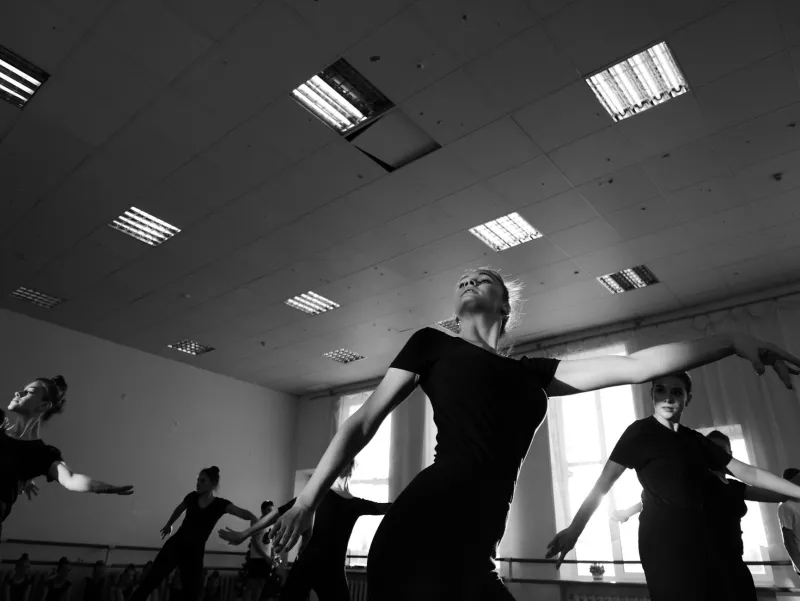
We started at 8pm. There was a short welcome, a reminder about the Christmas fair, and a brief discussion about whether the heater could be persuaded to do more than cough. Then we walked a few laps of the hall, did some gentle skipping and side-stepping, and finished with calf raises while someone counted. It looked casual. It was not easy.
Morris dancing is a folk tradition with deep roots in England, but the practice night is a very modern scene: adults in leggings and old T-shirts, a melodeon player in the corner, a box of sticks by the door. The warm-up is not an afterthought. It is a chance to wake up ankles, hips and shoulders before the real work starts.
Bells, sticks and the hidden strength work
Here is the part I did not expect: the lower-body demands are serious. A lot of morris stepping involves staying low, shifting weight from foot to foot, and holding a soft squat while your arms do something completely different. If you have ever done a goblet squat or a split squat, you will recognise the feeling. The difference is that nobody is counting reps in a mirror. They are counting beats.
Balance is the other big one. Many figures ask you to stand on one leg, hop, turn, or step across your body while keeping time. That is coordination training dressed up as tradition. My ankles and calves were sore for two days after the first session. Not injured — just used. The same goes for grip and posture: holding a stick, a handkerchief or a pair of bells while moving changes how your shoulders and core behave.
Functional fitness is a phrase that gets used a lot, often to sell something. In a village hall on a Tuesday, it means something simpler: can you squat, step, turn, balance and keep going while someone plays a tune? Morris asks all of that, and it asks you to do it with other people. That social layer is not a soft extra. It is the reason people come back in February when the pavements are wet and the gym feels very far away.
What actually happens in your first hour
If you are thinking of trying it, here is the rough shape of a beginners' practice night. Arrive ten minutes early. Someone will make tea. You will be introduced to the squire or foreman — the person who leads the side — and probably to three people who have been doing this for decades and one who started last month.
The session usually begins with a warm-up, then a simple figure or dance is taught in slow pieces. You might learn a basic step, then add arms, then add a stick or hankies. Nobody expects you to get it straight away. You will make mistakes. So will the experienced dancers. The music starts and stops, the melodeon player waits, and someone says “shall we try that again?” several times.
By 9.30pm there is tea, biscuits and a post-mortem. I have paid more for worse strength classes. The cost of a morris practice is usually modest — a few pounds towards hall hire — and the dress code is “something you can move in”. Soft shoes or trainers are fine. Layers are useful because halls are either freezing or overheated, sometimes in the same hour.
How to find a beginners' session
In the UK, morris sides are organised through bodies such as the Morris Ring, the Women's Morris Federation and Open Morris. Most sides have a website or a Facebook page, and many run practice nights through the autumn and winter. Search for your nearest town plus “morris dancing” and look for phrases like “beginners welcome”, “practice night” or “taster session”. If the website looks like it was last updated in 2012, do not be put off. Send an email anyway. Someone will reply, probably with enthusiasm and a request to bring a mug.
It is worth asking two questions before you go: is this a practice night or a performance? And is there a beginners' focus this term? Some sides are very performance-oriented; others are relaxed social groups. Neither is better, but they suit different people. If you have joint concerns, check with a physio or GP first, as you would with any new activity. Then turn up. That is the hardest part.
Why it works when the gym does not
I have tried winter gym plans. They are fine. But the gym asks you to be self-motivated in the dark, and morris asks you to be part of a group. That is a different kind of accountability. You are not there to hit a personal best. You are there to learn a figure, keep time and not collide with the person next to you. The strength work happens as a side effect.
There is also something quietly satisfying about an activity that is older than the building you are doing it in. It is not twee. It is athletic, odd and very British in the best way. You will probably ache in places you forgot about. You will also laugh more than you expected. And when the clocks have gone back and the evenings feel long, a warm hall, a stick and a tune are not a bad place to be.
If you have been looking for a reason to get stronger without another app, another subscription or another mirror, try your local morris side. Take a mug. Wear comfortable shoes. Expect to be bad at it for a while. That is the point.