Compost, Kneel, Carry: The Cold-Morning Strength Session at the End of Your Road
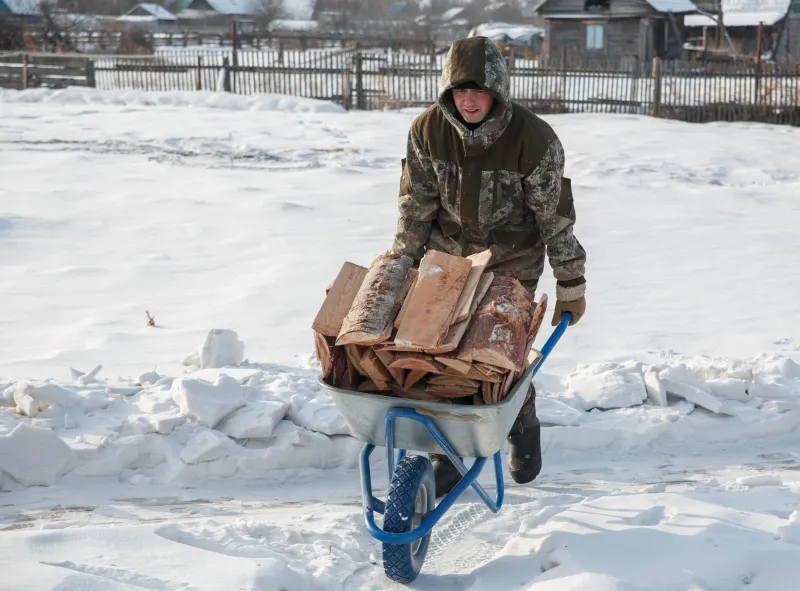
There is a particular kind of quiet on an allotment in November. The beans are down, the light is thin, and the main sounds are a kettle being fired up in a shed and someone muttering about bindweed. It doesn’t look like a gym. But spend an hour moving compost bags, kneeling to clear beds and pushing a barrow through a muddy gate, and your legs, back and grip will disagree.
That’s the point. Winter plot work is loaded movement in ordinary clothes. It is not a replacement for a well-planned strength programme, and it won’t magically fix a cranky shoulder. But it is a legitimate session: variable load, plenty of squatting and hinging, carrying, reaching and — crucially — a reason to get outside when the sofa is winning.
Why a cold plot counts as training
Think about what a morning on the plot actually asks of you. You squat to lift a bag of compost. You hinge forward to pull roots. You kneel, reach and twist while weeding. You carry a watering can, a crate of tools or a sack of manure. You push a barrow. You prune above shoulder height. Then you do it again, in layers, on uneven ground.
That is a mix of strength, mobility and low-level conditioning. It is also wonderfully unglamorous, which is why it works for people who would rather chew a rake than enter a spin studio. The load is self-selecting: a half-full bag, a small crate, a few litres in the can. You can make it easier or harder without buying anything.
Before you pick up the spade
Cold muscles and a cold morning are a bad combination for heroics. Give yourself five minutes before the real work starts. Walk briskly to the plot or march on the spot by the shed. Circle the arms, rock the ankles, do a few bodyweight squats and gentle hip hinges. Add some standing glute squeezes and a couple of easy twists. You are not trying to get sweaty; you are trying to remind your joints what they are for.
Layer up, then peel off as you warm through. Gloves matter for grip and for the cold. If you are kneeling, use a pad or a folded tarp — wet ground steals heat fast. And don’t start with the heaviest bag of the day. Start with the rake, the secateurs or a light barrow load, then build up.
Lift like the barrow is a barbell
The main risk on a winter plot is not the weight itself; it’s the awkward shape and the cold. A bag of compost is not a barbell, but it still responds to good technique. Stand close, hinge at the hips, keep the bag tight to your body, brace your middle and breathe out as you stand. Avoid twisting while loaded — turn your feet instead. If you are moving something really heavy, use a wheelbarrow, split the load, or ask for a hand. Nobody is handing out medals for a ruptured disc.
For kneeling jobs, swap sides regularly. Reach with the whole body rather than craning the neck. When pruning overhead, keep the ribs stacked and avoid arching your back to get the last inch. Bring the branch down to you where you can.
Pacing is the other skill. Work for 20 to 25 minutes, then take two or three minutes to stand up, drink from the flask and look at something other than soil. Cold weather can mask effort, so check in with your breathing and your back before you carry on. If you are breathing hard enough that you can’t talk, ease off. If your lower back is complaining, change task or stop.
The 25-minute plot circuit
This is a simple session you can do on an allotment, in a small garden, or on a balcony with a few bags and a sturdy step. Use loads that feel like 5 or 6 out of 10 — challenging but comfortable. Warm up for five minutes first, then run four rounds of the circuit below. Rest for a minute between rounds, and finish with a minute of easy walking and breathing.
- 45 seconds — compost-bag deadlift or pot lift. Six to eight slow reps. Hinge, keep the load close, stand tall. On a balcony, use a bag of compost or a full watering can.
- 45 seconds — kneeling reach or standing hip hinge reach. Kneel on a pad and reach forward to weed or move a pot, or hinge standing and reach towards a low step. Alternate sides each round.
- 45 seconds — barrow push or farmer carry. Push a barrow 20 metres, or carry two bags or watering cans for 20 metres. Keep the ribs down and the steps short.
- 45 seconds — step-up. Use a sturdy crate, bench or step. Six reps each leg, controlled. On a balcony, use a stable step or just do sit-to-stands from a chair.
- 45 seconds — squat-to-stand or sit-to-stand. From a bench or chair, stand and sit slowly. Add a small bag on your lap if it feels easy.
- 60 seconds — rest. Stand tall, sip water, shake out the arms.
That adds up to about 25 minutes including your warm-up and cool-down. If you are new to this, do two rounds and finish with a few easy jobs. If you are fitter, add a fifth round or carry a slightly heavier bag — but keep the technique tidy.
The social rhythm is the secret
Allotment life keeps people moving because it is not just exercise. It is a place to be expected. Someone saves you a few plants. Someone else leans over the fence to ask whether the ground is too wet. The kettle goes on. You do ten minutes of digging, then twenty minutes of talking, then another ten of digging. That stop-start rhythm is not a failure of training; it is a very human way to accumulate movement.
In the darker months, that rhythm matters. A plot gives you a reason to walk out of the door, a task with a visible end point, and a community that notices if you disappear. You might not call it a workout. Your hamstrings might call it something else entirely.
So treat the winter dig as what it is: a useful, honest strength session wrapped in mud and tea. Warm up, lift well, pace yourself and leave something in the tank for the walk home. The barrow doesn’t care about your personal best — and that is exactly why it works.