Tinsel, Timber and Tired Calves: A Christmas Market Movement Guide for Real Bodies
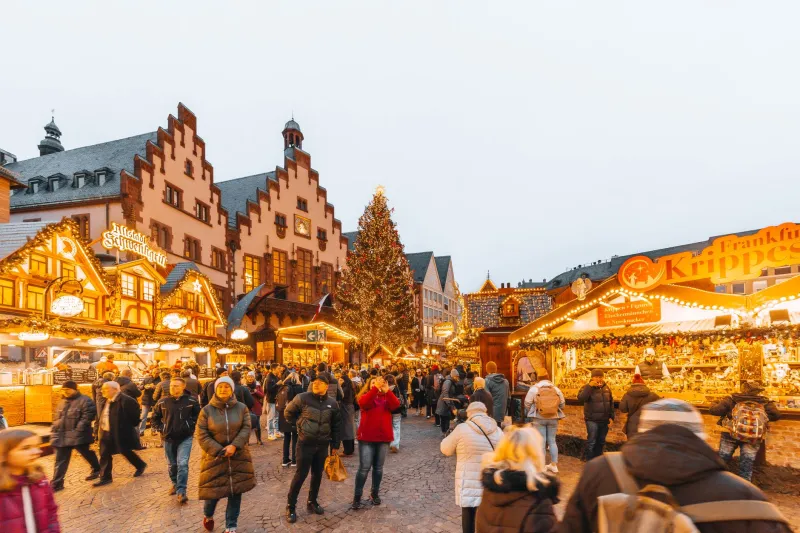
A Christmas market looks like a nice afternoon out. Then you spend three hours standing on damp cobbles, dodging buggies, queuing for mulled wine and carrying a bag of cheese that somehow weighs more than your gym kit. By the time you get back to the car or the station, your lower back is complaining and your ankles feel like they have done a shift on a building site.
Here is the thing: that is movement. It counts. Festive movement is still training, just with more twinkly lights and less lycra. The trick is to prepare for it like you would any other long session — because standing, shuffling and walking on uneven ground is a genuine demand on the body, especially in the cold.
Whether you are heading to Bath’s cobbled lanes, Birmingham’s Frankfurt market, Edinburgh’s East Princes Street Gardens or a village square with six stalls and a very good brass band, a little planning goes a long way.
Before You Go: Five Minutes for Ankles, Hips and Back
Do this at home, in the hotel room or in a quiet corner of the car park. No mat, no equipment, no need to look like you are warming up for a race.
Start with ankle circles — 30 seconds each direction on each foot. Then do 10 slow calf raises, pausing at the top. Those two moves wake up the bits that will spend the day adjusting to uneven paving.
Next, hip circles: hands on hips, draw slow circles with your pelvis, five each way. Follow with five gentle standing back extensions — hands on your lower back, ease your chest up and slightly back, without forcing it. Finish with 10 glute squeezes and a few shoulder rolls. It takes five minutes and makes the first hour of standing feel far less like a shock to the system.
Dress for the Pavement, Not the Postcard
This is not the day for smooth-soled boots or shoes you have not worn since last winter. Cobbles are slippery when wet, and they are unforgiving underfoot. Choose footwear with grip, a bit of cushioning and enough room to wiggle your toes. Waterproof is a bonus; wool socks are your friend. If you are prone to ankle niggles, a pair of trainers with a slightly wider base can be more stable than a fashionable ankle boot.
Layering matters too. You want to be warm while queuing but not overheated when you are moving between stalls. A base layer, a warm mid-layer and a waterproof outer layer is the classic British Christmas market formula. Keep your bag across your body rather than dangling from one shoulder, and swap sides now and then if you are carrying shopping. Small adjustments make a big difference over a long day.
The Queue Reset: Discreet Moves While You Wait
Queues are not wasted time. They are a chance to reset. While you are waiting for mulled wine or a paper cone of churros, try this: stand tall, shift your weight slowly from one foot to the other, then do a few gentle calf raises. Nobody will notice. If the queue is really slow, add some slow pelvic tilts — tuck your tailbone slightly, release, repeat. It eases the lower back without looking like a workout.
You can also roll your feet from heel to toe, one at a time, and do a few shoulder rolls when the queue shuffles forward. Keep your phone in your pocket for a minute and look ahead rather than down. Cobbles and crowds reward a bit of attention.
Cobbles Are a Training Surface
Uneven ground asks more of your ankles, hips and balance than a smooth pavement. That is not a reason to avoid the market; it is a reason to slow down. Take shorter steps, look ahead rather than at your phone, and use handrails where they exist. If you feel unsteady, link arms with your mate or take a breather by a stall. There is no prize for powering through discomfort.
Christmas markets are also a lot of stop-start walking. You walk ten steps, stop, queue, shuffle, stop again. That pattern can stiffen the hips and lower back. Every hour or so, find a slightly quieter spot, stand with your feet hip-width apart and do a few slow hip circles and shoulder rolls. It takes 30 seconds and helps you enjoy the rest of the day.
The Walk Home Recovery
On the walk back to the car, station or bus stop, keep your stride relaxed. When you get home, spend three minutes on a gentle reset. Do a calf stretch against a wall, 30 seconds each side. Then a hip flexor stretch: step one foot back, tuck your pelvis slightly and stand tall. Finish with some slow breathing and a few gentle back extensions if your lower back feels tired.
A warm shower, a glass of water and putting your feet up are all legitimate recovery tools. If you have been carrying bags all day, unpack them before you sit down — future you will be grateful.
Make the Festive Shuffle Count
The point is not to turn a Christmas market into a fitness test. The point is to look after your body so you can enjoy the thing you came for: the lights, the crowds, the questionable bratwurst and the mulled wine. Festive movement counts as training. Treat it with a little respect, and you will come home tired in a good way rather than stiff in a bad one.
Move well, feel strong, keep moving — even if the only thing you are lifting is a souvenir mug.