Would You Still Go in the Rain? A Winter Class Checklist for Dark Evenings

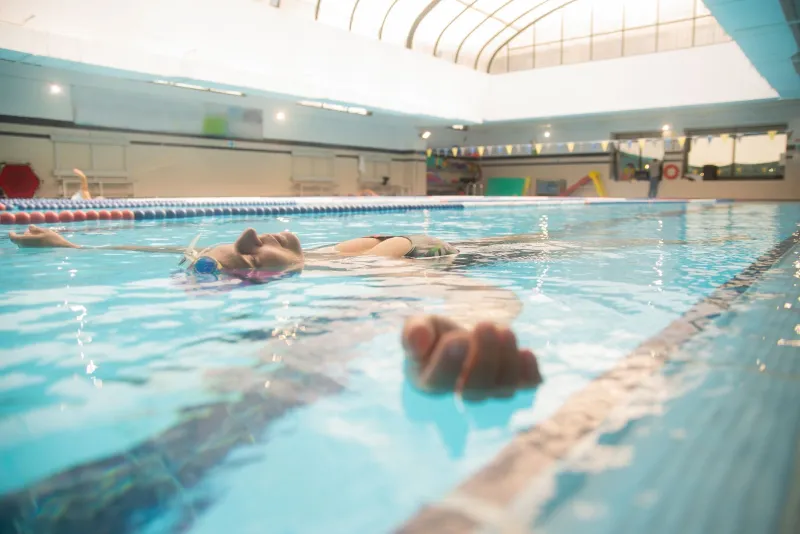
Photo: Wilfredor, CC0, via Wikimedia Commons
Winter class decisions get made twice. The first happens in September, when everything looks possible and the walk from the car park is still daylight. The second happens at 6.40pm on a Tuesday in November, when it is already dark, the pavement is slick and the sofa has developed a gravitational pull. The class that survives is not always the one with the best promotional photos. It is the one that still makes sense when your motivation is wearing a coat and a slightly bad mood.
So instead of asking which winter class is “best” in some abstract sense, score the one you are considering against the life you will actually be living between now and February. Five categories, one to five points each. Twenty-five is a very good sign. Eighteen or more is strong. Anything under thirteen is probably a summer fling.
Start with the journey, not the logo
A class can have brilliant coaching and still be a bad winter choice if getting there feels like a small expedition. Score the door-to-door journey at the time you would actually travel. Not the Sunday afternoon version. The dark version.
How long is the walk from the bus stop, train station or parking space? Is the route well lit? Are there crossings you would avoid alone after 8pm? Does the last bus home leave before the cool-down? These are not boring details. They are the difference between a habit and a negotiation you lose every week.
This is where different venues start to separate themselves. A leisure centre often wins on reliability: regular timetables, familiar changing rooms, staff on site and usually a car park. A village hall can be warmer, cheaper and friendlier, but check the practical edges — entrance lighting, nearby streets, whether the session ends after the last sensible bus. A studio may have the atmosphere you want, but the travel and parking costs need to be worth it on a wet Wednesday. None of these is automatically better. The right one is the one you can reach without dread.
Light, locks and the changing-room tax
Before you commit, think about the faff factor. Winter already adds layers, wet coats and umbrellas. A class that demands a locker puzzle before you have even warmed up will lose points.
Ask yourself: do I need a padlock, a £1 coin, a specific app or a membership card that lives in a drawer? Are the changing rooms big enough to get out of wet boots without falling into someone’s gym bag? Is there somewhere to hang a coat that is not the floor? If you are going straight from work, can you change without feeling like you are doing a suitcase-based sport?
Lighting and safety matter here too. A well-lit entrance, visible car park and busy reception area do more for winter attendance than a motivational quote on the wall. If you are walking, look at the whole route rather than just the front door. A class that feels welcoming at 10am can feel very different at 7pm in January.
Does the room have a pulse?
Class vibe is hard to score objectively, but you can still pay attention. Do people talk to each other, or is it a silent room where everyone stares at the mirror? Does the instructor offer options for different bodies, or does the session assume everyone is already fit? Is the music at a volume that lets you hear instructions? Can you see yourself coming back even on a mediocre day?
A good winter class does not need to be a social club. It does need to feel like a place where you can arrive slightly tired, do the work and leave feeling better rather than judged. Trial sessions are useful here. One class will tell you more about the room than any timetable description. Watch how the instructor handles the person at the back who is unsure, not just the front row who know the routine.
The rain question
Now the one that matters most. Imagine it is 6.30pm, it is 3°C, and it is chucking it down. You have had a long day. Would you still go?
If the answer is a clear yes, give it a five. If it is a reluctant yes but you know you would feel better afterwards, give it a four. If the answer involves “probably not, but I’d do a video at home,” be honest and give it a two. There is no shame in that — but it is useful information. A class that only works in dry weather is not a winter class. It is a summer habit with a direct debit.
The rain question also helps you compare types of sessions without turning it into a brand loyalty contest. A leisure-centre class might score higher because the bus stops outside. A village-hall session might win because it is a ten-minute walk and the instructor knows your name. A studio class might justify the longer journey because the room gives you something the others do not. Score what is true for you.
How to use the scores
Add up your five categories: travel, lighting and safety, locker practicality, room vibe and the rain question. Then do one sensible thing: try the class before you sign a long contract. Ask about a taster, a pay-as-you-go session or a short block. Score it straight after, while the reality of the changing room and the walk home is still fresh.
The aim is not to find a perfect class. It is to find a repeatable one. Something that gets you moving through the darkest stretch of the year without turning every Tuesday into a test of willpower. Move well, feel strong, keep moving — and if the class still appeals when the rain is horizontal, you have probably found a keeper.